 Projects

The intersection feed is still live, yet the recording may have stopped long ago.
I look over every intersection unit, layer by layer, until all is clear.
Across a city's intersections stand hundreds, even thousands, of recording units. On the day the footage is truly needed, the words you most dread hearing are: “That one stopped recording long ago.”
Patrols used to know only one thing: the unit can't be reached. But there are many reasons it can't be reached. Did the host crash, the recording software stop, the camera disconnect, the disk fill up, or is it just the network? Without knowing what failed, repair crews arrive on site only to find they brought the wrong parts and made the trip for nothing.
So what we built isn't “one more report,” but letting every unit tell you, by itself, which layer has failed.
Whether the host is online, and whether its common service ports respond.
Uptime, CPU and memory, how much disk space is left and whether the drives are healthy, and whether the system clock has drifted.
Is the recorder still running? How many minutes ago each camera wrote its latest recording—if it's been too long, it has stopped.
Captures a frame and checks for black screens, freezes, obstructions, or heavy blur. Every judgment is made on site, with no reliance on the cloud.
Looks back over the past 24 hours of footage for any gaps.
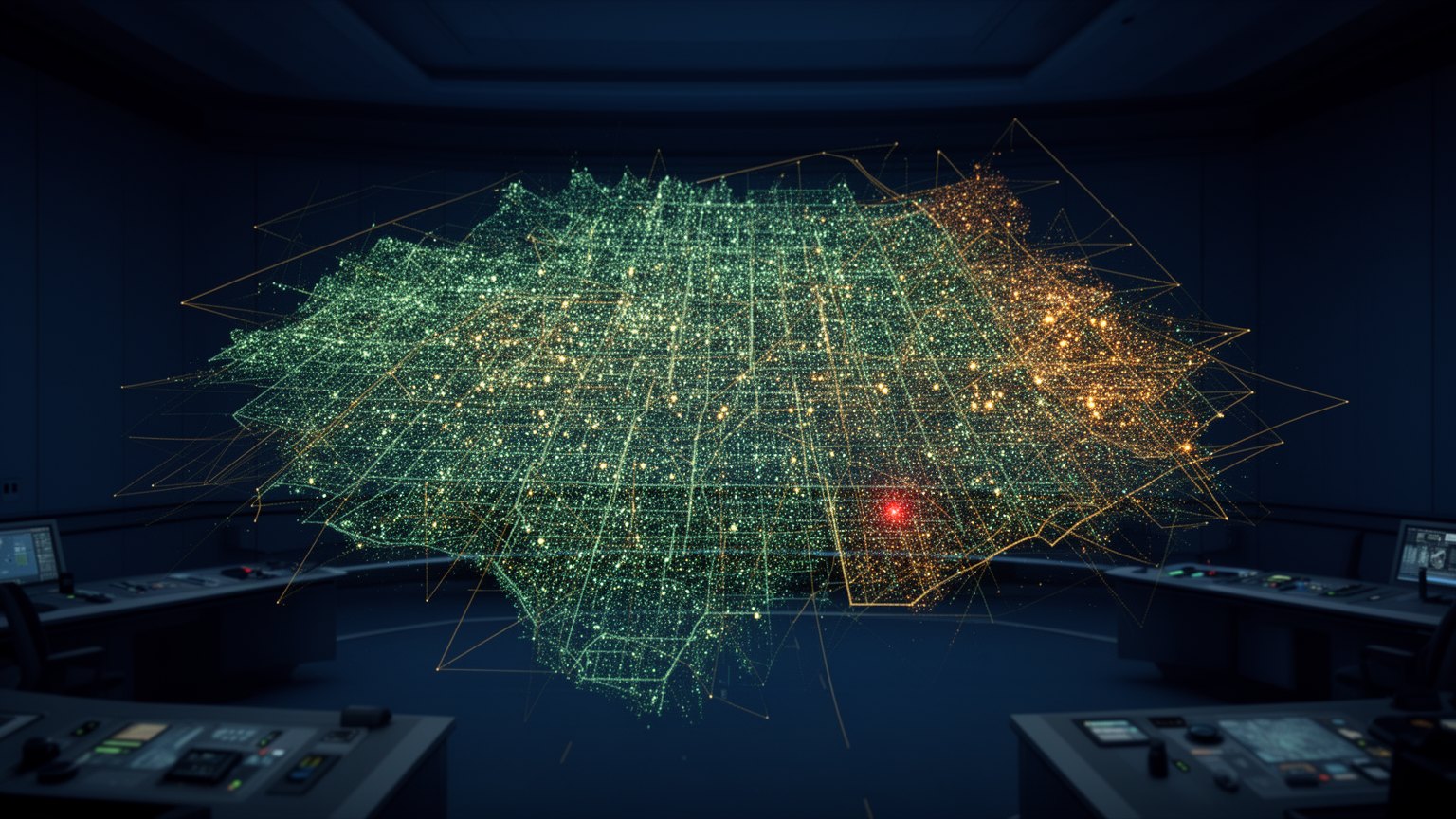
This is a conceptual illustration, not an actual system screen. Once the project is complete and permission is granted, real screens and results will be added.